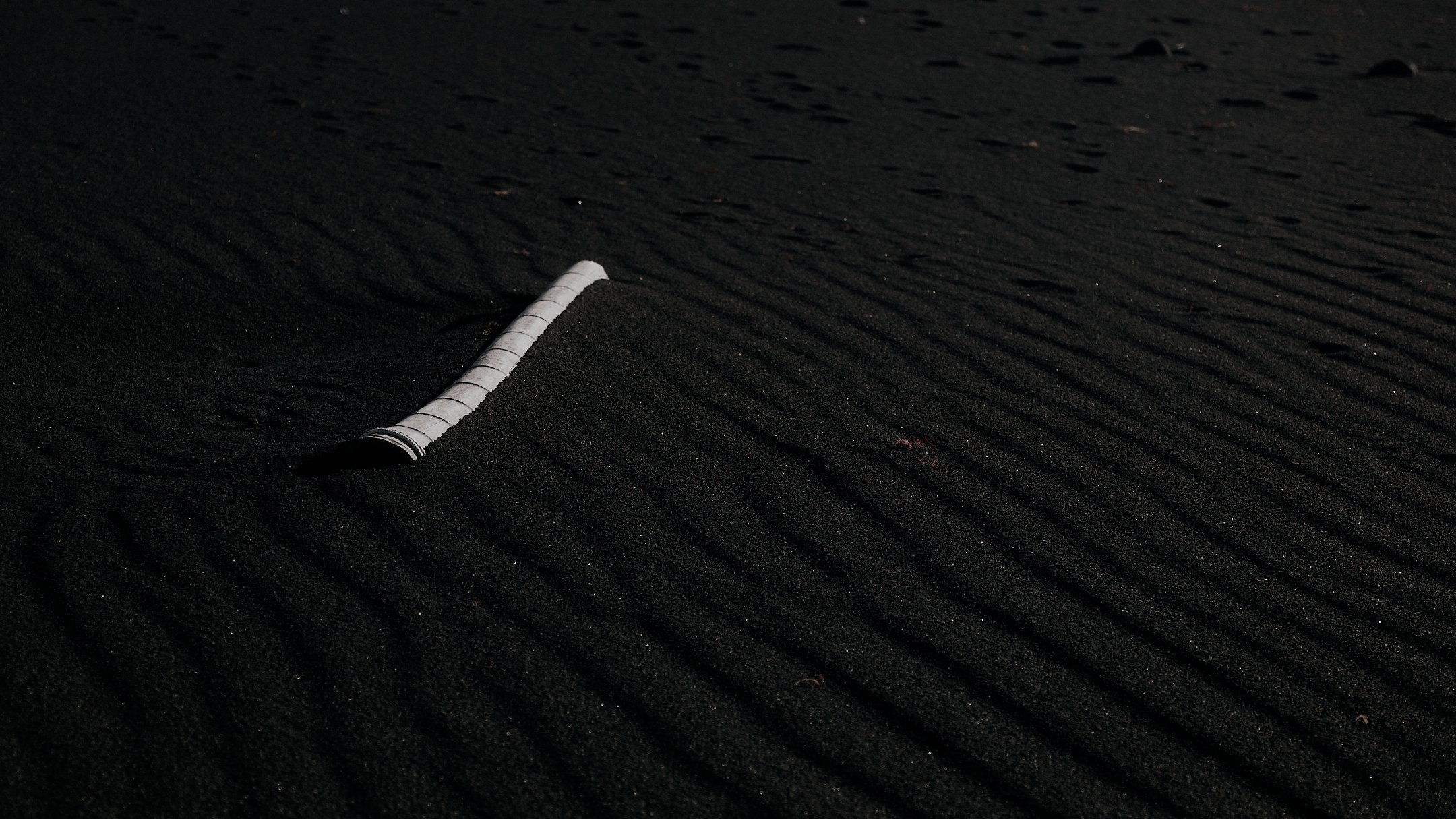
Pigment prints on Awagami Washi, harvested in January in Yoshinogawa,
from photographs made on Izu Ōshima
Inheritance of the Night
A beginning forms
Not as emergence
But as return
Utsuroi 90 移ろい 九十秒Becoming is a constraint, not ease. Form appears under pressure. In Utsuroi 90, the beginning is treated as a paradox of sequence: the morning does not emerge from night as its opposite. It begins as night, briefly revealing another register before returning to its own density, as if states can reorder themselves without time truly moving forward.
Within ninety seconds, perception reorganises. Clarity appears and is immediately withdrawn, refusing a linear unfolding. Orientation exists, yet does not stabilise; attention sharpens while certainty loosens its grip. The interval becomes a narrow chamber in which what remains is not diminished, but exact.
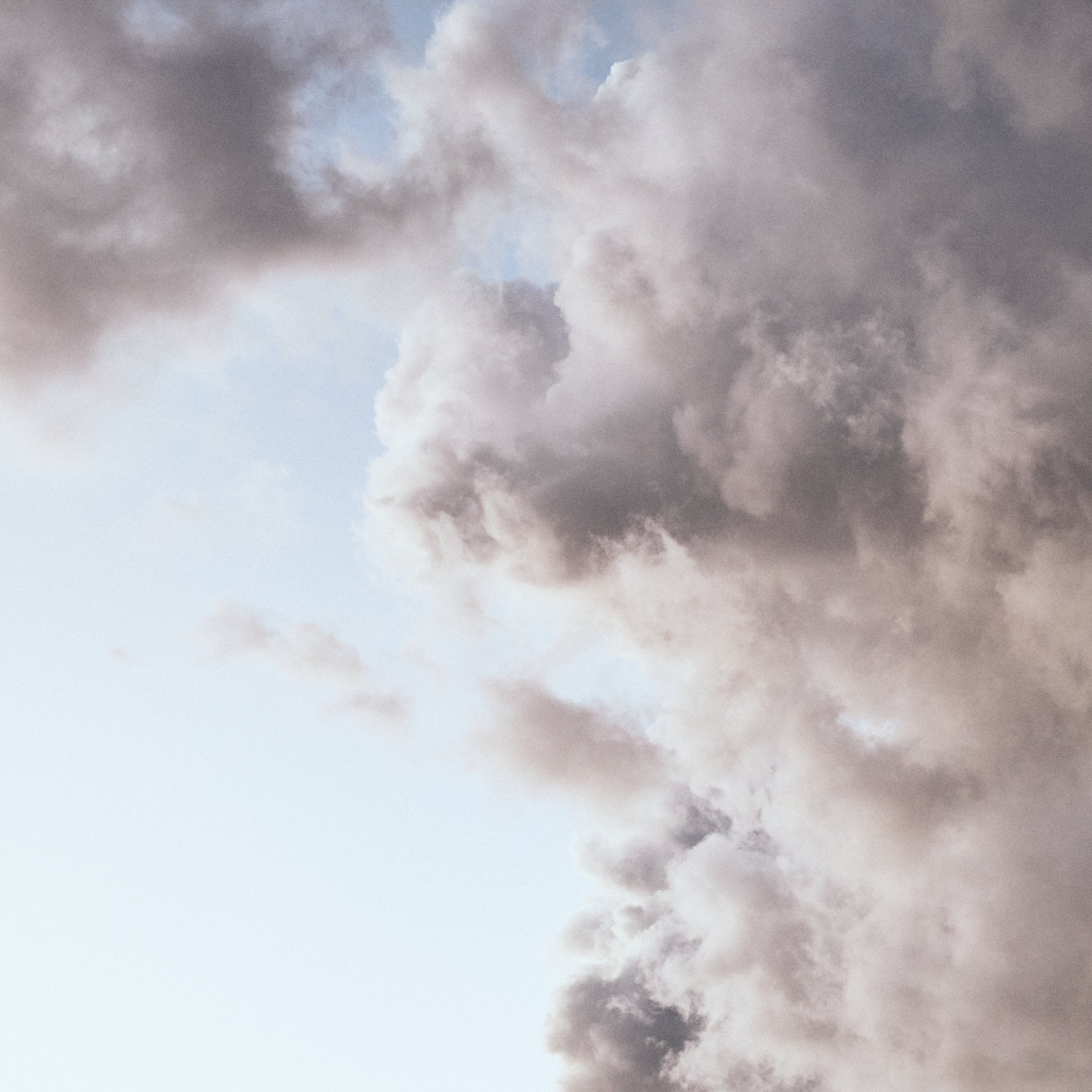
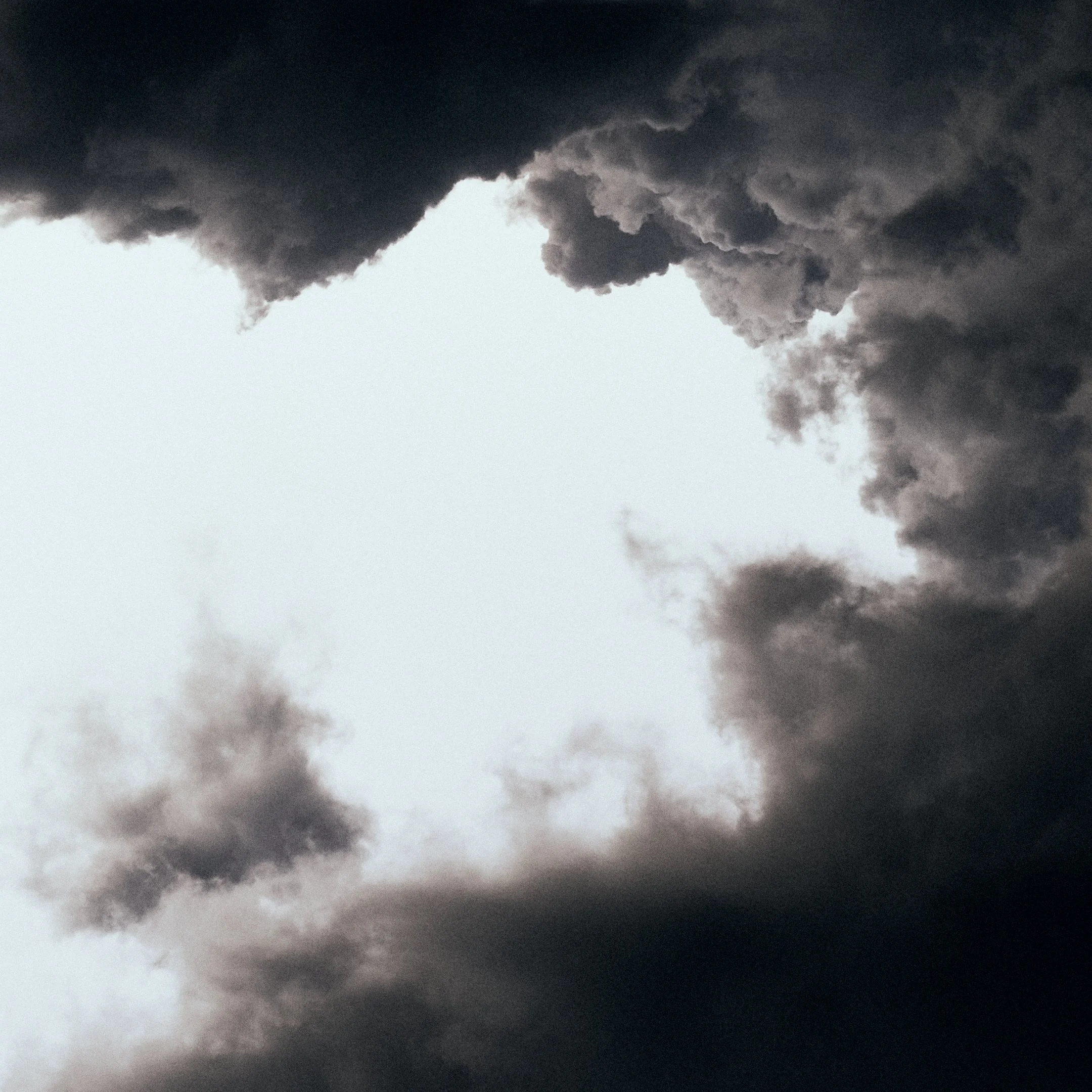
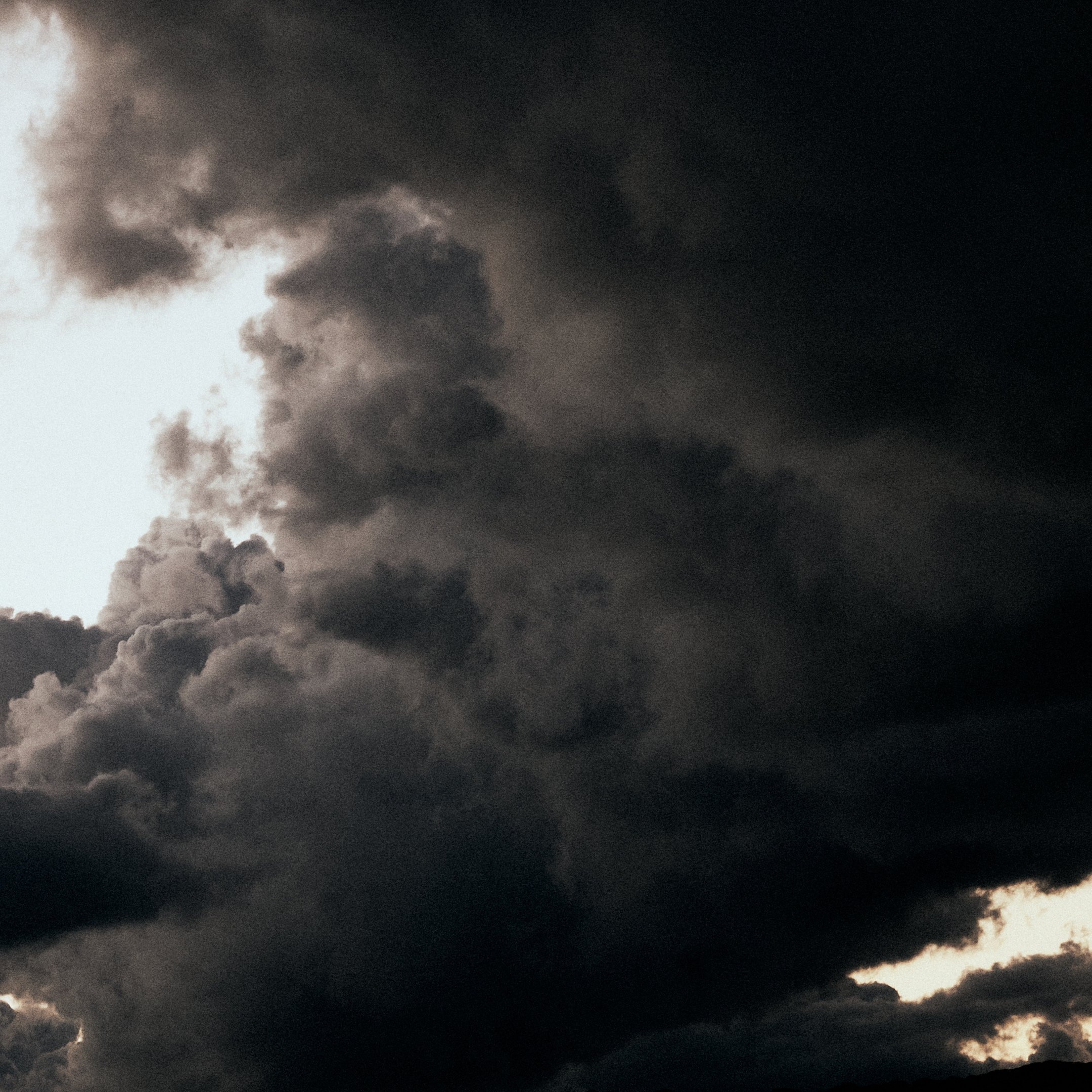
The work rests in this inversion where holding and letting go cease to be opposites. Release becomes a method of retention, and restraint becomes a way of sustaining form. Opposing states coexist without resolution, not as confusion, but as structure.
Morning does not replace night.
It inherits it.
What starts isn’t brightness, but a rule breaking into view; not arrival, but a brief disturbance that clarifies the mechanics of transformation through constraint.
Single print 50×50 cm — €850
Set of three 50×50 cm — €2.300
Printed on Japanese washi paper harvested in January, these photographs were also made in January, aligning material and moment. Each work is produced as a pigment fine art print on Awagami Washi Bamboo 170g, a paper whose natural fibre structure creates a matte surface and a quiet, material depth beyond conventional photographic papers. The prints can be acquired individually or as a set of three.
Mitsudo 密度An ascent becomes discipline.
Under compression, the landscape reads as a system of restraint, repetition, and control. Nothing opens outward. Everything narrows.
Pressure is not treated as rupture, but as duration. Breath remains active, yet constrained. Movement continues, but only within a reduced field.
The work does not describe struggle. It attends to the clarity that pressure can produce when it persists long enough to shape perception.
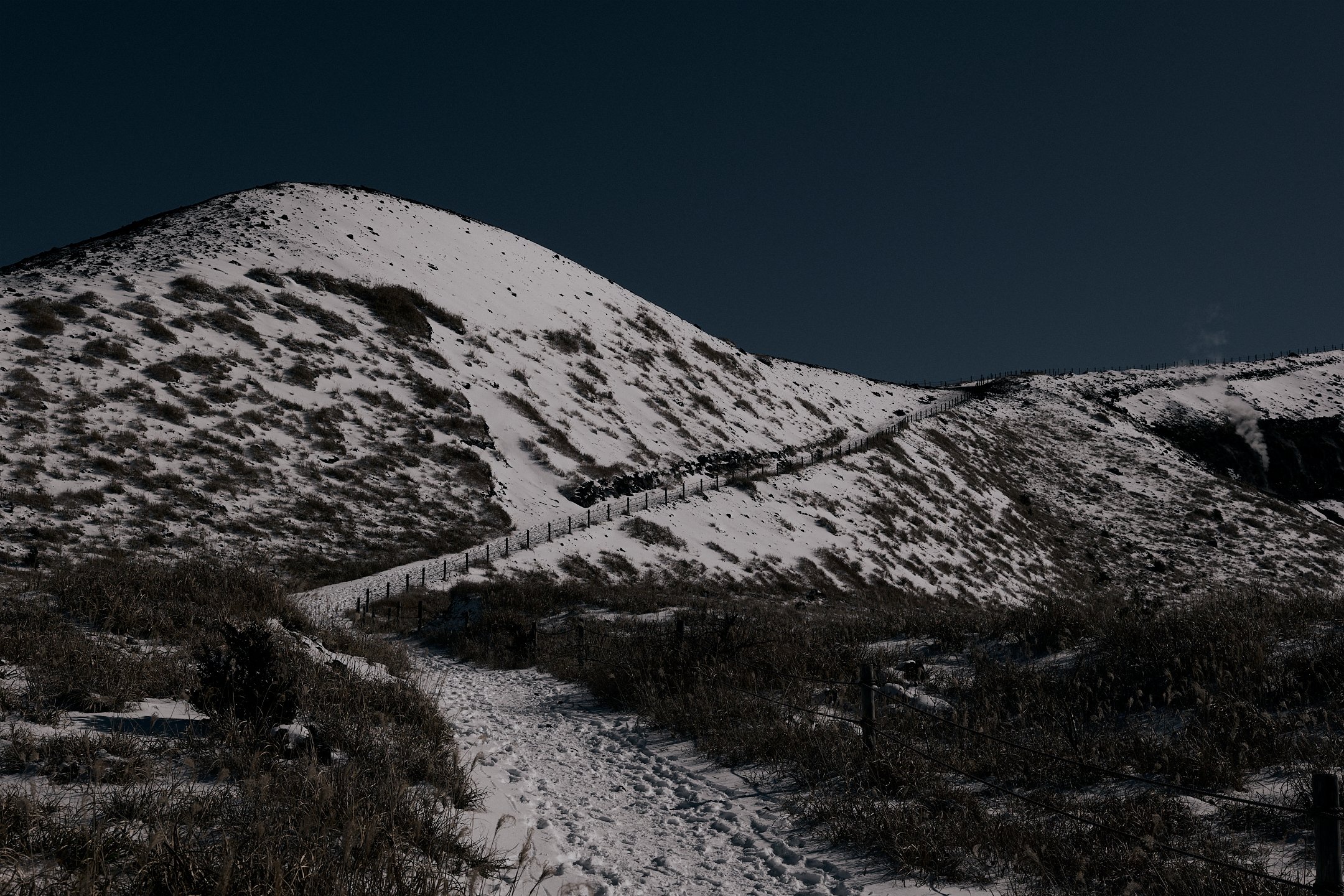
print 60x90cm — €1.250Printed on Japanese washi paper harvested in January, these photographs were also made in January, aligning material and moment. Each work is produced as a pigment fine art print on Awagami Washi Bamboo 170g, a paper whose natural fibre structure creates a matte surface and a quiet, material depth beyond conventional photographic papers.
Kyokai 境界At the line of stone
water keeps no final form
neither do weKyokai considers form as a record of contact. The work focuses on boundaries, transitions, and changing states. It’s concerned with how conditions meet, separate, and merge before they can be clearly named. What appears stable is shown as provisional. What appears distinct begins to overlap.
Rather than describing a fixed exterior world, the series attends to a more interior process: pressure, suspension, release, return. The images register these shifts without resolving them. They hold the viewer at the threshold where perception changes and meaning remains in motion.
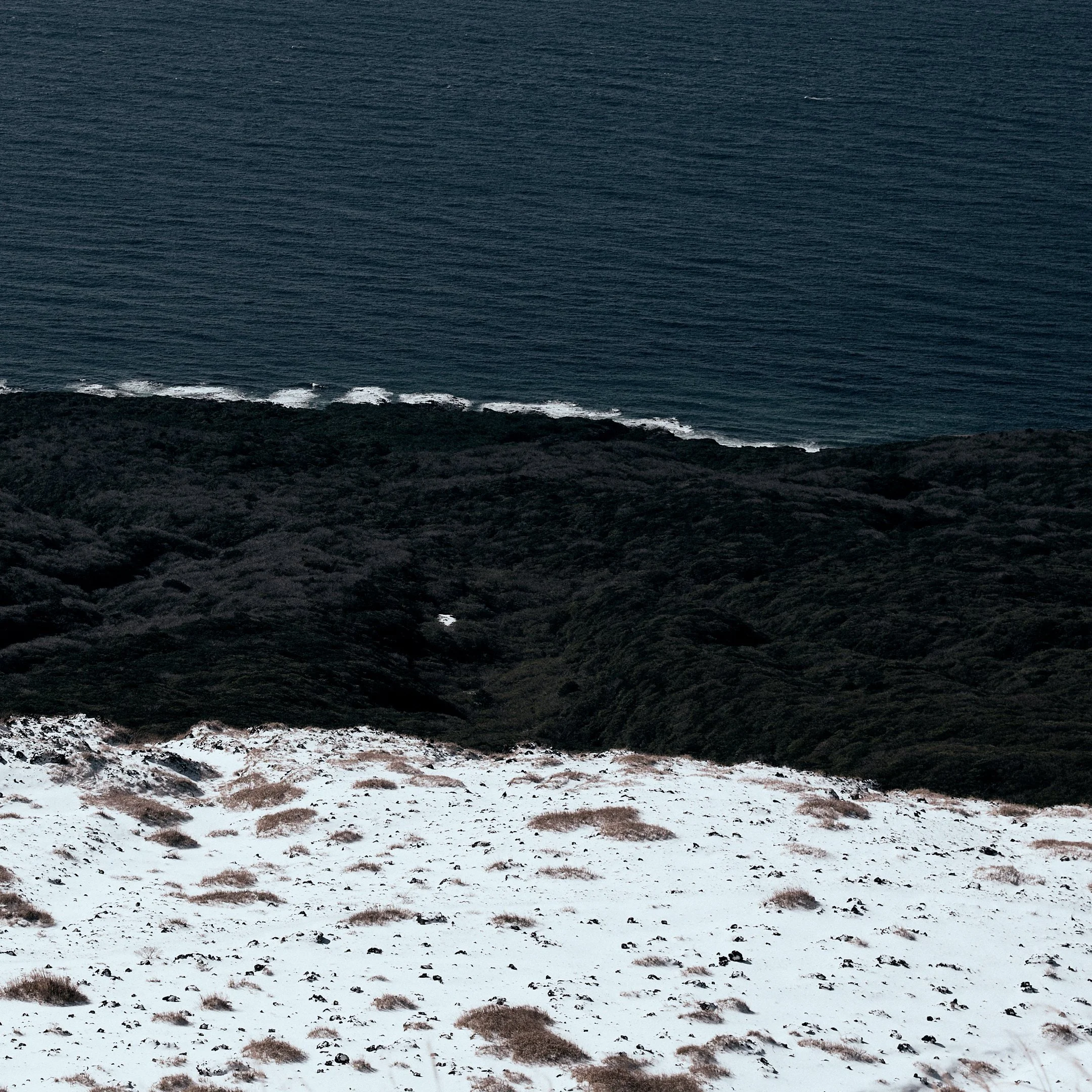
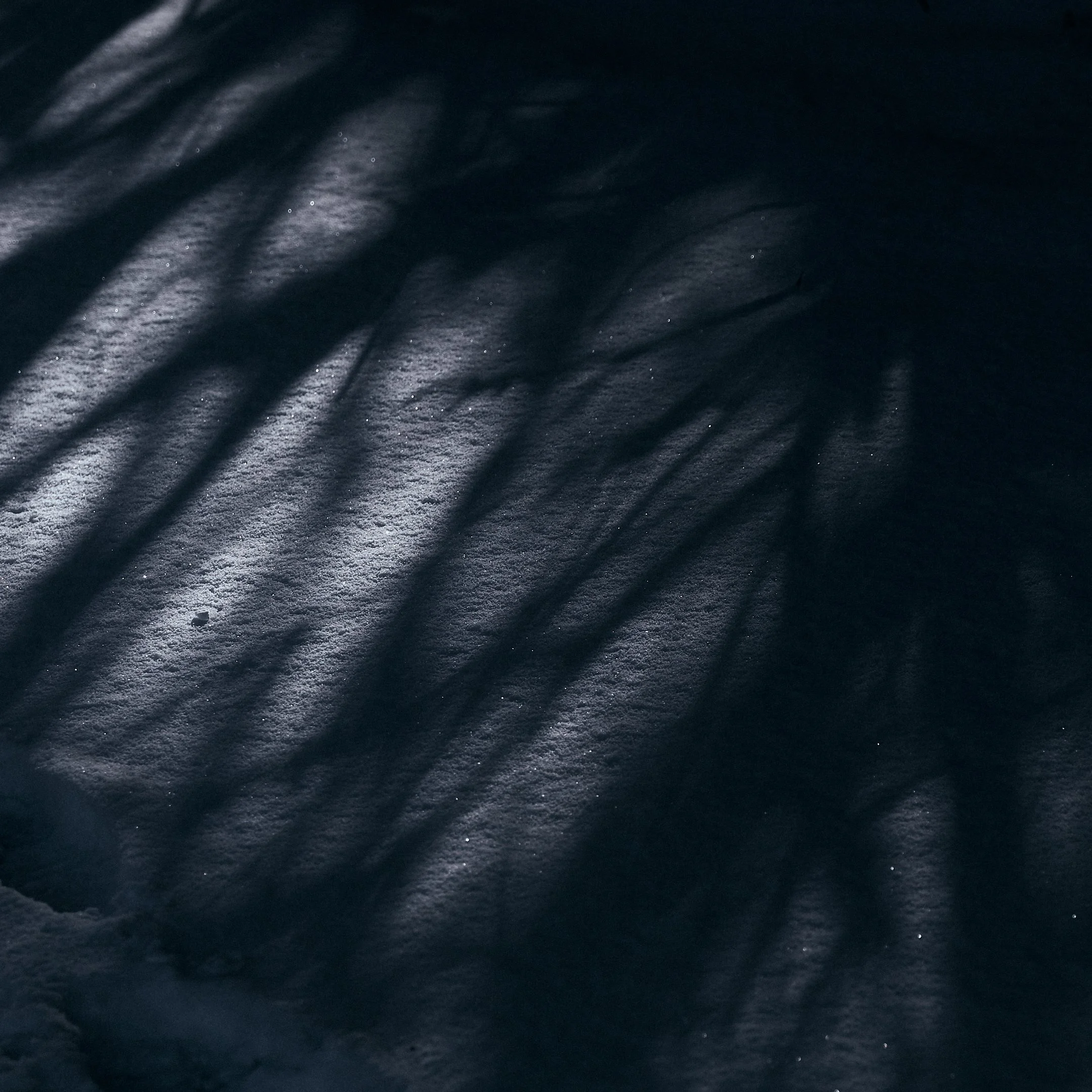
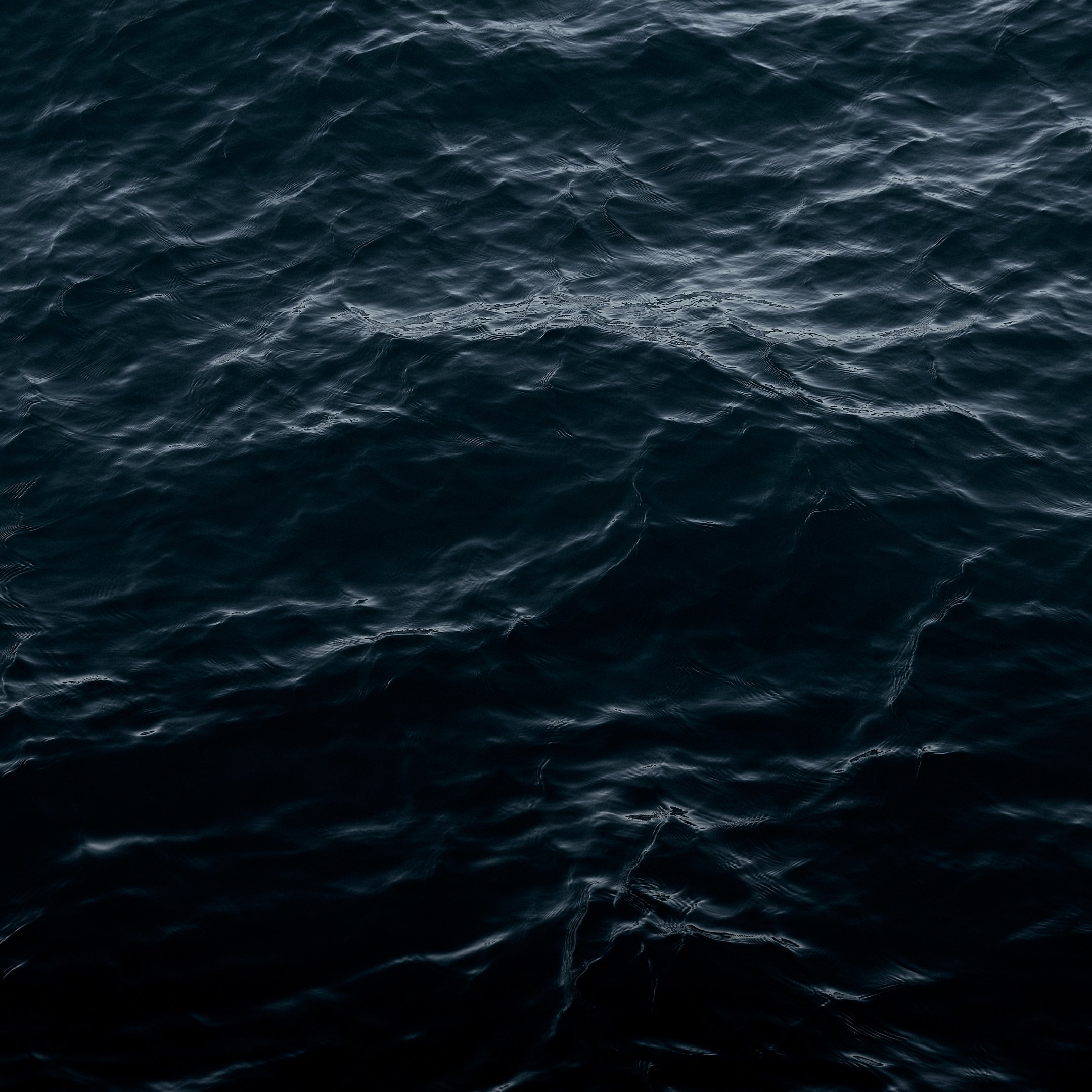
In this sense, Kyokai is less about division than about relation. Boundary is treated not as an edge, but as an active zone in which transformation becomes visible.
Placed before Sakoku, the series functions as a transition within the larger sequence. It marks the moment before withdrawal, when distinction sharpens and inwardness begins.
Single print 50×50 cm — €1.100
Set of three 50×50 cm — €3.000
Printed on Japanese washi paper harvested in January, these photographs were also made in January, aligning material and moment. Each work is produced as a pigment fine art print on Awagami Washi Bamboo 170g, a paper whose natural fibre structure creates a matte surface and a quiet, material depth beyond conventional photographic papers. The prints can be acquired individually or as a set of three.
SAKOKU 鎖国To close is not to flee
Form survives where touch dissolves
Loss teaches precisionWhat happens when withdrawal is no longer a phase, but a condition?
In prolonged isolation, the mind begins to reorganize itself. Attention narrows, repetition sharpens perception, and what remains is refined with almost obsessive care. Skill deepens not despite the absence of the outside world, but because of it. Precision becomes a form of survival.
As structure tightens, softness recedes. Exchange is reduced, warmth becomes unnecessary, and complexity gives way to controlled order. What grows inwardly strong also becomes inwardly sealed.
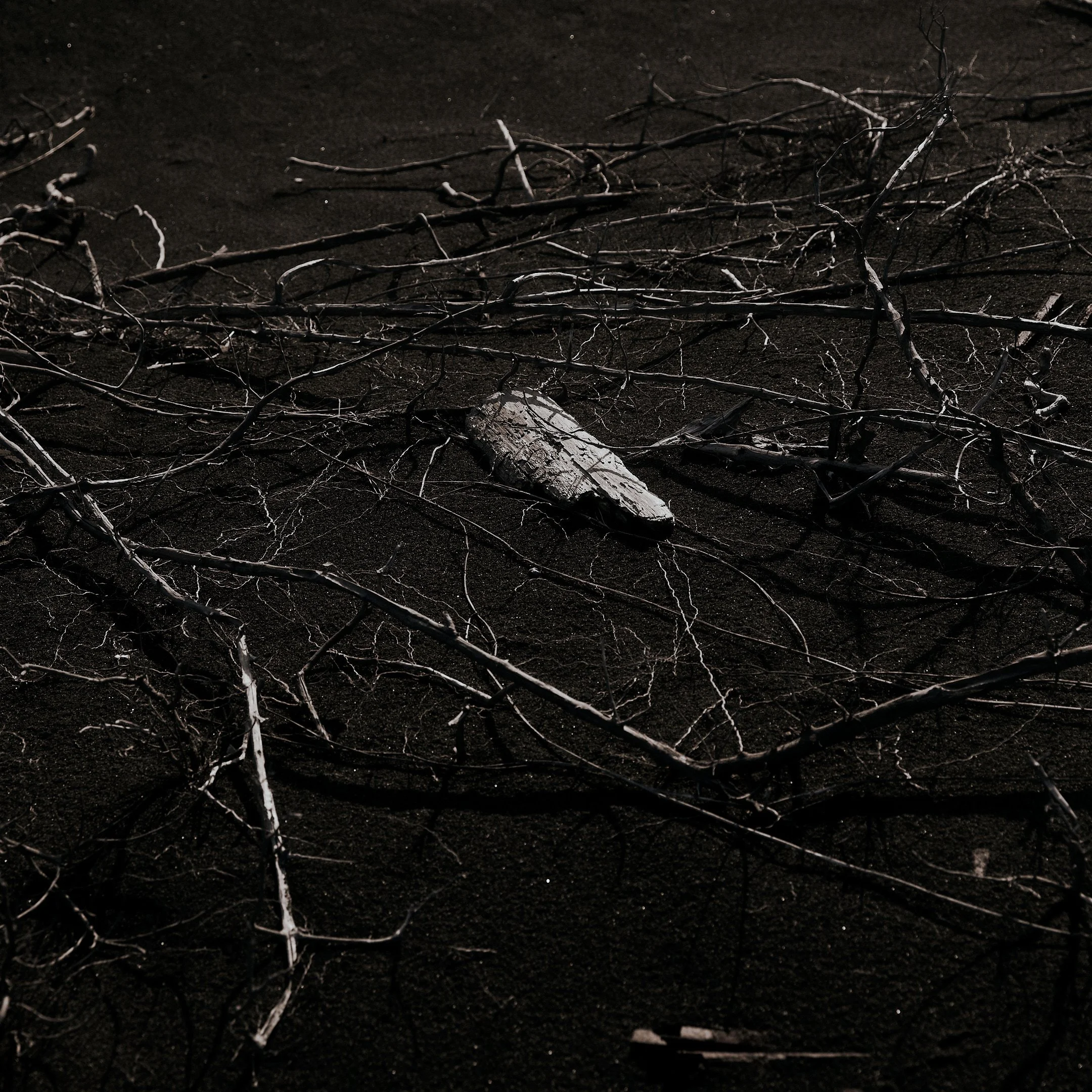
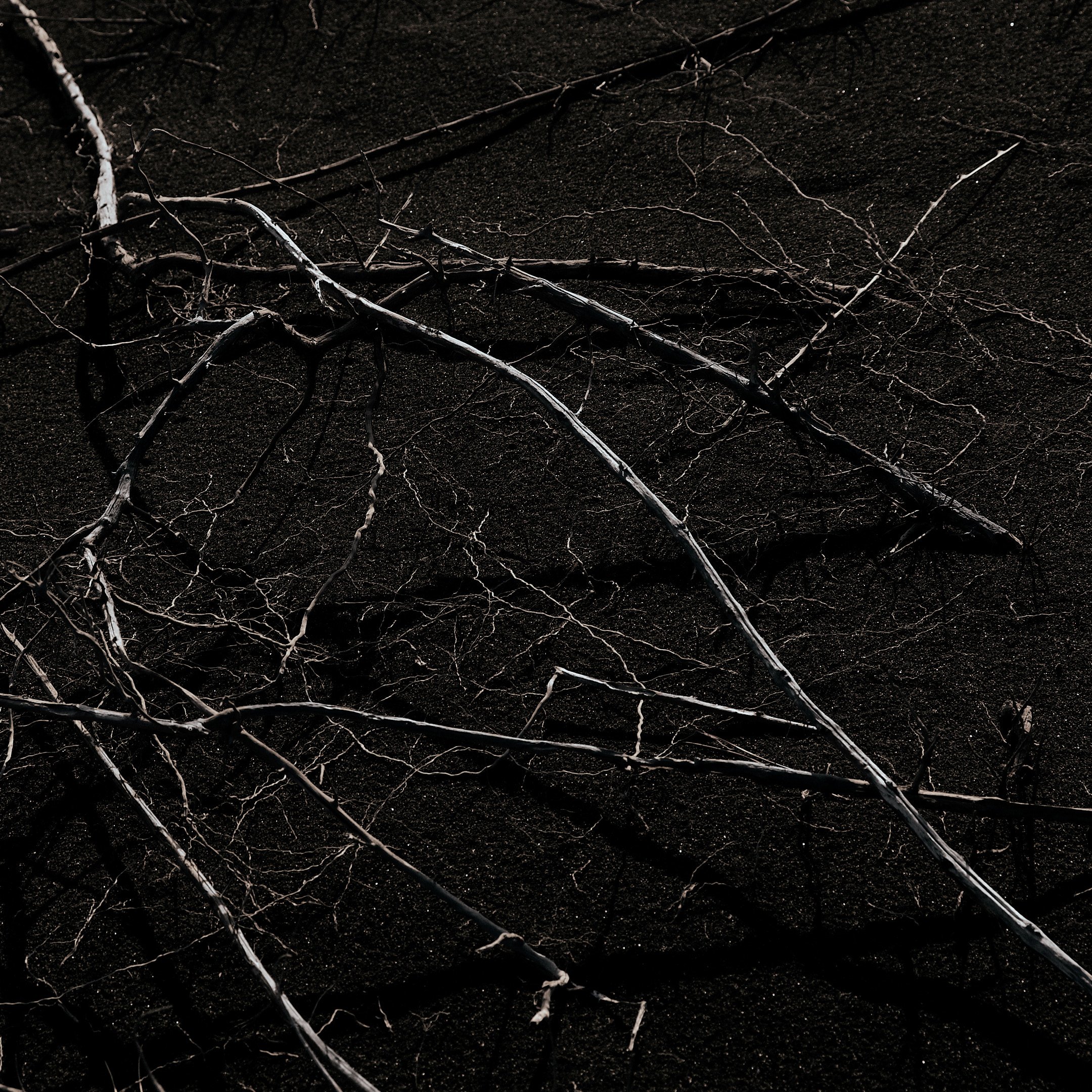
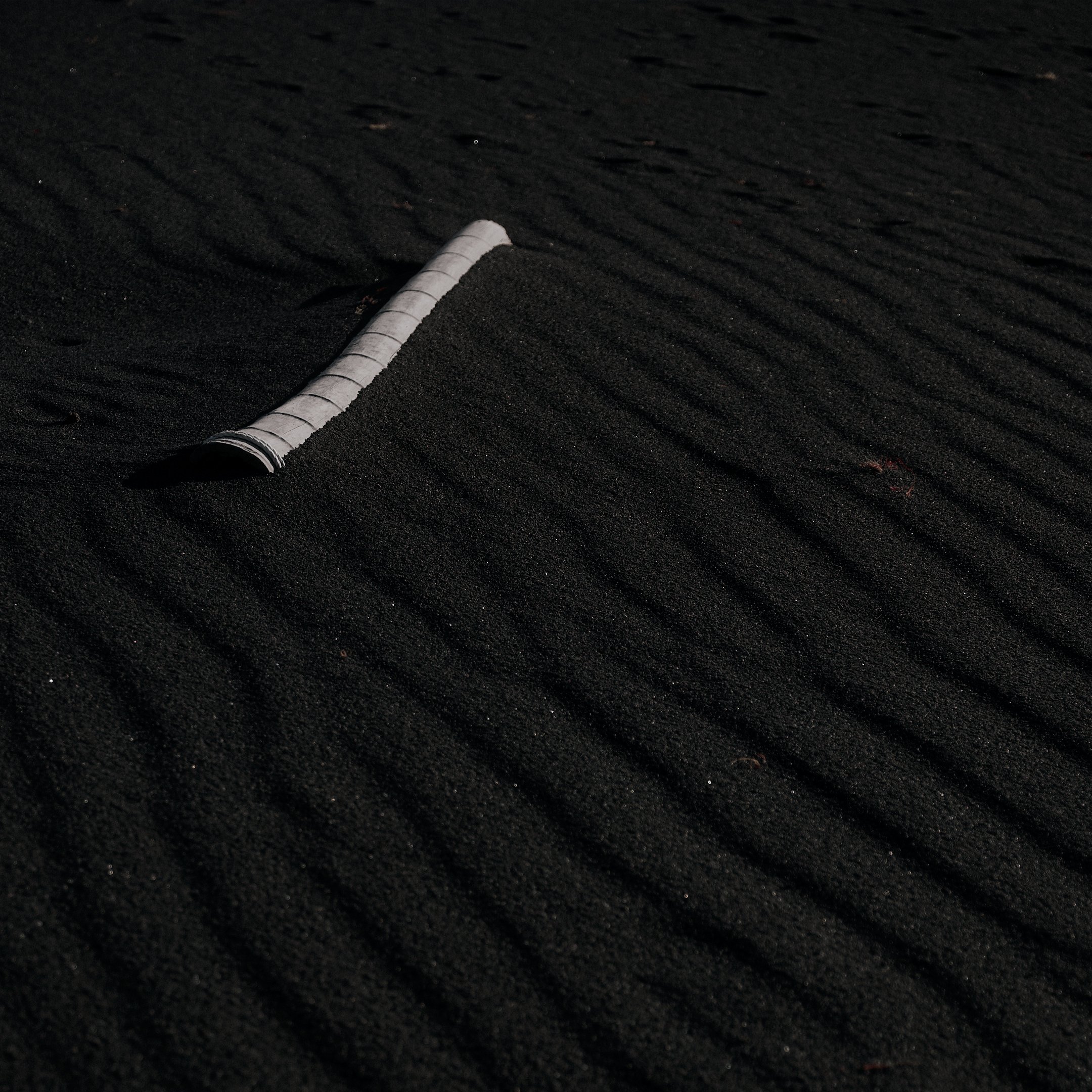
This series holds that tension without resolving it. It does not mourn isolation, nor does it glorify it. Instead, it observes the quiet transformation of an inner landscape shaped by discipline, restraint, and loss. The images move toward increasing clarity, while simultaneously revealing what clarity erases.
Isolation, is not an ending.
It’s a system that perfects,
and subtracts.
Single print 50×50 cm — €1.100
Set of three 50×50 cm — €3.000
Printed on Japanese washi paper harvested in January, these photographs were also made in January, aligning material and moment. Each work is produced as a pigment fine art print on Awagami Washi Bamboo 170g, a paper whose natural fibre structure creates a matte surface and a quiet, material depth beyond conventional photographic papers. The prints can be acquired individually or as a set of three.